
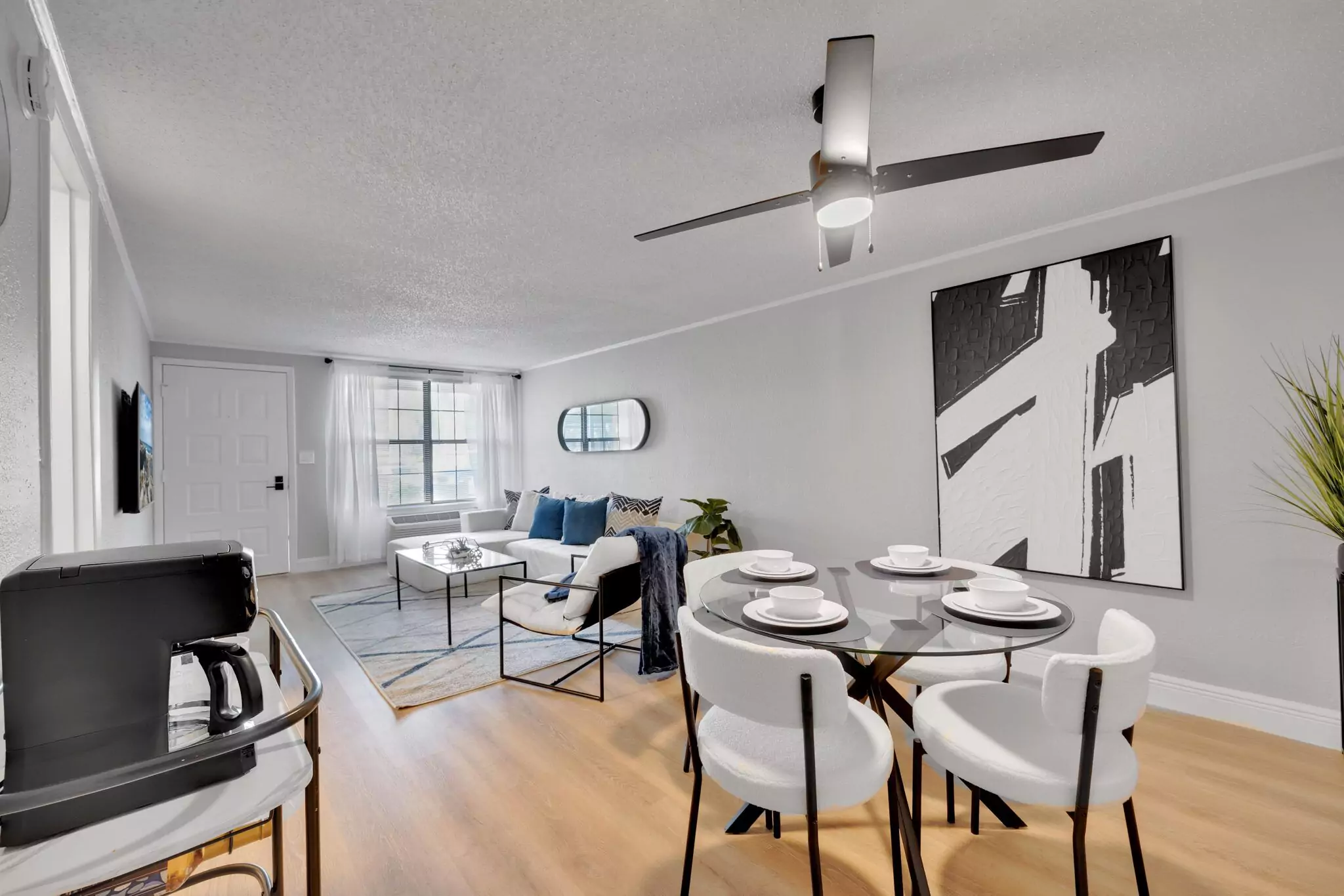

Renovated apartments in Jacksonville represent a significant evolution in the city’s housing market. As Jacksonville continues to grow and attract new residents, the demand for updated and amenity-rich living spaces has surged. This trend is reshaping older residential areas, transforming them into vibrant hubs that cater to contemporary lifestyles. These revitalized properties offer a compelling alternative to new construction, often providing a blend of original architectural character with modern functionality.
The concept of modernized living in Jacksonville is not solely about constructing new buildings from the ground up. A substantial portion of this transformation is happening within existing structures, breathing new life into historically significant or underdeveloped neighborhoods. These renovations act as catalysts, stimulating economic activity and fostering a renewed sense of community in areas that may have experienced stagnation.
Identifying Declining Housing Stock
In the past, certain Jacksonville neighborhoods, particularly those developed during the mid-20th century, began to show signs of age. Deteriorating infrastructure, outdated interior layouts, and a lack of modern amenities contributed to a decline in their desirability for contemporary renters and homeowners. This often led to underinvestment and a perception of obsolescence.
Architectural Styles of Previous Eras
Many of these older apartment buildings, especially those constructed between the 1950s and 1980s, possess architectural styles that are now being appreciated for their unique character. These can include mid-century modern elements, garden apartment designs, or more utilitarian complexes that, with proper renovation, can become highly attractive. Understanding these original characteristics is crucial for renovators seeking to honor the building’s past while imbuing it with modern appeal.
Factors Contributing to Vacancy and Decline
A confluence of factors often led to vacant units and a general decline in older apartment complexes. These could include insufficient maintenance, outdated electrical and plumbing systems presenting safety hazards, and floor plans that no longer suit modern living needs (e.g., small, compartmentalized kitchens). The lack of appealing common areas and amenities also contributed to their uncompetitiveness.
The Role of Renovation in Urban Revitalization
Renovation projects serve as a powerful tool in urban revitalization. By investing in existing structures, developers can avoid the high costs and environmental impact associated with new construction in undeveloped areas. Instead, they are re-purposing and improving what already exists, often in locations that are already well-serviced by public transportation and local amenities.
Economic Impact of Renovation Projects
The economic ripple effect of renovating apartment complexes is significant. Construction jobs are created, and the subsequent occupancy of renovated units can boost local businesses through increased consumer spending. Property values in renovated areas tend to rise, benefiting existing homeowners and potentially attracting further investment.
Preserving Community Character
When done thoughtfully, renovations can preserve the unique architectural character and sense of place within a neighborhood. Rather than demolishing and rebuilding, this approach integrates contemporary living standards with the existing urbanscape, ensuring that new residents feel connected to the history and fabric of their surroundings.
Contemporary Design and Amenity Upgrades
The core of modernized living in Jacksonville’s renovated apartments lies in the integration of contemporary design principles and sought-after amenities. These renovations are not superficial; they represent a fundamental reimagining of interior spaces and the addition of features that align with the expectations of today’s residents.
Updated Interior Aesthetics
The interior transformation of these apartments moves away from the dated finishes and layouts of the past. This includes a shift towards open-concept living areas, a greater emphasis on natural light, and the use of modern, durable materials.
Kitchen and Bathroom Revitalizations
Kitchens and bathrooms are primary focal points of renovation. Outdated cabinetry, countertops, and fixtures are replaced with stylish and functional alternatives. This often involves the installation of granite or quartz countertops, stainless steel appliances, and contemporary tile work. The aim is to create spaces that are both aesthetically pleasing and highly practical for daily use.
High-End Finishes and Fixtures
Modern renovations often incorporate higher-end finishes than might have been common in previous eras. This can include premium flooring options such as hardwood or luxury vinyl plank, updated lighting fixtures that provide both ambient and task illumination, and designer-inspired hardware. These elements contribute to a more sophisticated and comfortable living environment.
Optimized Storage Solutions
A common deficiency in older apartments was inadequate storage. Modern renovations address this by incorporating more built-in closets, pantry space, and creative storage solutions within kitchens and bathrooms, maximizing the utility of every square foot.
Flooring and Wall Treatments
The selection of flooring and wall treatments plays a crucial role in the overall ambiance. Neutral color palettes, often featuring grays, whites, and beiges, are popular for their versatility and ability to create a sense of spaciousness. Durable and aesthetically pleasing flooring options, such as engineered hardwood, premium laminate, or large-format tile, are frequently chosen.
Durability and Maintenance
Emphasis is placed on materials that offer both aesthetic appeal and long-term durability, reducing the need for frequent replacement and simplifying maintenance for residents.
Creating a Sense of Openness
Lighter flooring colors and strategically chosen wall treatments can visually expand smaller spaces, contributing to a more airy and open feel.
Integration of Modern Amenities
Beyond interior aesthetics, the integration of modern amenities is a defining characteristic of these renovated apartments. These amenities are designed to enhance convenience, promote well-being, and foster a sense of community among residents.
Smart Home Technology
An increasing number of renovated apartments are incorporating smart home technology. This can range from smart thermostats and lighting controls to keyless entry systems and integrated security features. These technologies offer residents enhanced convenience, energy efficiency, and peace of mind.
Energy Efficiency Features
Smart thermostats, for instance, can optimize heating and cooling to reduce energy consumption and lower utility bills, a significant benefit for residents.
Enhanced Security and Convenience
Smart locks and integrated security systems provide residents with an added layer of control and security, allowing for remote monitoring and access management.
In-Unit Laundry Facilities
The inclusion of in-unit washers and dryers has become a near-standard expectation for many apartment dwellers. Renovated units often feature dedicated laundry closets or integrated stacks, eliminating the need to use communal facilities.
Time Savings and Convenience
Having laundry facilities within the unit offers significant time savings and convenience, a highly valued amenity in today’s fast-paced world.
Privacy and Control
In-unit laundry provides residents with greater privacy and control over their laundry routine.
High-Speed Internet Infrastructure
Reliable and high-speed internet access is no longer a luxury but a necessity. Renovated apartments are equipped with robust infrastructure to support multiple devices and demanding online activities, such as remote work, streaming, and online gaming.
Support for Remote Workforces
With the rise of remote work, apartments need to offer the bandwidth and connectivity required for productive home offices.
Entertainment and Connectivity Needs
This infrastructure ensures seamless streaming, online gaming, and general internet usage for all household members.
Strategic Location and Accessibility

The appeal of renovated apartments in Jacksonville is intrinsically linked to their strategic locations and the accessibility they offer. Many of these properties are situated in established neighborhoods that provide convenient access to the city’s amenities, employment centers, and transportation networks.
Proximity to Urban Centers and Employment Hubs
A key draw of these renovated properties is their proximity to Jacksonville’s downtown core, the Southbank, and other significant employment districts. This reduces commute times and allows residents to be closer to their workplaces and the vibrant cultural offerings of the city.
Downtown and Southbank Access
Apartments located within or near these central business districts offer residents immediate access to a wide range of dining, entertainment, and professional opportunities.
Major Employment Centers
Their placement near major employment centers is a significant advantage for professionals seeking to minimize their daily travel.
Access to Transportation Networks
The accessibility of renovated apartments means they are well-connected to Jacksonville’s transportation infrastructure. This includes major roadways, public transportation routes, and, in some cases, proximity to alternative transportation options.
Major Roadways and Highways
These apartments are typically situated with easy access to major arteries such as I-95, I-10, and US-17, facilitating travel throughout the metropolitan area and beyond.
Reduced Commute Times
Efficient access to these highways directly translates into reduced commute times for residents.
Ease of Travel for Commuters
This makes the apartments an attractive option for individuals who commute to different parts of the city for work.
Public Transportation Options
Many renovated apartment complexes are located near established bus routes, providing an alternative to private vehicle use and connecting residents to various parts of the city.
Environmental Benefits of Public Transit
Utilizing public transportation offers an environmentally friendly way to navigate the city.
Cost Savings for Residents
For residents looking to reduce personal transportation costs, access to public transit is a significant benefit.
Proximity to Retail, Dining, and Entertainment
Beyond employment, these apartments are often situated in neighborhoods rich with retail, dining, and entertainment options. This creates a vibrant living environment where residents can easily access day-to-day necessities and leisure activities.
Local Amenities and Services
The availability of nearby grocery stores, cafes, shops, and service providers adds to the convenience and desirability of the location.
Cultural and Recreational Opportunities
Proximity to parks, theaters, museums, and live music venues enhances the quality of life for residents seeking cultural and recreational engagement.
Affordability and Value Proposition in a Growing Market

Despite the modern upgrades and desirable locations, renovated apartments in Jacksonville often present a compelling affordability and value proposition, especially when compared to new construction in similar areas or comparable properties in other major Southern cities.
Cost-Effectiveness Compared to New Construction
The process of renovating an existing building is generally less costly for developers than constructing a new one from the ground up. Land acquisition, demolition, and the extended timelines for new builds contribute to higher price points for brand-new apartments. Renovated properties can therefore offer a more accessible entry point for renters and buyers.
Reduced Development Costs
Lower development costs for renovators can translate into more competitive rental rates and sales prices for consumers.
Leveraging Existing Infrastructure
Developers benefit from the pre-existing infrastructure of older buildings, including foundations, structural frameworks, and utility connections, which streamlines the renovation process.
Potential for Higher Quality for the Price
In some instances, a renovated older apartment can offer more square footage or a more desirable location for the same price as a smaller, newer unit further from the city center. This means residents may be able to access a higher quality of living or a better situated home without a commensurate increase in cost.
Greater Square Footage
Older buildings, particularly those from certain architectural periods, often feature more generous layouts and larger room dimensions, which can be retained and modernized during renovation.
Character and Charm
The inherent character and charm of older buildings, when coupled with modern finishes, can offer a unique aesthetic that is difficult or impossible to replicate in new construction.
Investment Potential and Appreciation
As Jacksonville continues its growth trajectory, areas that have undergone significant renovation are showing strong potential for property value appreciation. This makes renovated apartments an attractive option not just for immediate living but also as an investment.
Urban Infill Development Trend
The trend towards urban infill development, which prioritizes redeveloping existing urban areas, often leads to increased property values as neighborhoods become more desirable and amenities improve.
Neighborhood Improvement and Gentrification
Successful renovation projects can be harbingers of broader neighborhood improvement and, in some cases, gentrification, which can drive up property values over time.
Sustainability and Future-Proofing Through Renovation
Modern renovations in Jacksonville are increasingly incorporating principles of sustainability and future-proofing. This approach not only benefits the environment but also offers long-term cost savings and enhanced living conditions for residents.
Energy Efficiency Upgrades
A cornerstone of sustainable renovation is the focus on energy efficiency. This involves upgrading insulation, windows, and HVAC systems to reduce energy consumption.
Improved Insulation and Weatherization
Enhanced insulation in walls, attics, and crawl spaces prevents heat loss in cooler months and heat gain in warmer months, significantly reducing the demand on heating and cooling systems.
Reduced Energy Bills for Residents
Lower energy consumption directly translates to lower utility bills for residents.
Enhanced Comfort Levels
Improved insulation also contributes to more stable indoor temperatures and reduced drafts, leading to greater occupant comfort.
High-Performance Windows and Doors
Replacing old, inefficient windows and doors with modern, double or triple-paned units with low-E coatings dramatically improves thermal performance.
Minimizing Heat Transfer
These windows minimize the transfer of heat, keeping interiors cooler in the summer and warmer in the winter.
Noise Reduction
Modern windows also provide an added benefit of sound insulation, reducing the impact of external noise.
Modern HVAC Systems
Upgrading to more efficient heating, ventilation, and air conditioning (HVAC) systems, such as high-efficiency furnaces or heat pumps, significantly lowers energy usage.
Lower Operating Costs
These systems are designed to operate with greater efficiency, leading to reduced energy consumption and lower operating costs.
Improved Indoor Air Quality
Many modern HVAC systems include advanced filtration and ventilation features that improve indoor air quality.
Water Conservation Measures
Renovations also consider water conservation, a critical aspect of sustainable living, especially in regions prone to drought.
Low-Flow Fixtures
Installing low-flow toilets, showerheads, and faucet aerators significantly reduces water consumption without compromising performance.
Reduced Water Bills
Lower water usage directly leads to reduced water bills for residents.
Environmental Responsibility
Implementing these measures demonstrates a commitment to environmental responsibility.
Drought-Resistant Landscaping (Where Applicable)
For properties with outdoor spaces, renovations may incorporate drought-resistant landscaping, reducing the need for excessive watering.
Use of Sustainable Materials
The selection of building materials is another area where sustainability is a growing consideration.
Recycled and Reclaimed Materials
Where possible, renovations may incorporate recycled or reclaimed materials, reducing the demand for virgin resources.
Durable and Low-VOC Products
Focus is also placed on durable materials that have a long lifespan and products with low volatile organic compound (VOC) emissions, contributing to healthier indoor environments.
Healthier Indoor Air Quality
Low-VOC paints, finishes, and adhesives help to minimize indoor air pollution, creating a healthier living space.
Longevity and Reduced Maintenance
Choosing durable materials means less frequent replacement and maintenance, contributing to long-term sustainability and reduced waste.
Future-Proofing Infrastructure
Beyond immediate upgrades, renovations often aim to future-proof the building’s infrastructure to accommodate evolving technologies and needs. This might include updated electrical capacities to support a greater number of electronic devices or pre-wiring for future smart home integrations.
Enhanced Electrical Systems
Ensuring electrical panels and wiring can handle the increased demand from modern appliances and electronics is a key aspect of future-proofing.
Adaptability for Emerging Technologies
Designing spaces and infrastructure with adaptability in mind can make it easier to incorporate new technologies as they emerge, such as electric vehicle charging stations or advanced home networking systems. This proactive approach ensures the apartments remain desirable and functional for years to come.
FAQs
What types of renovations are commonly found in renovated apartments in Jacksonville?
Renovated apartments in Jacksonville often feature updated kitchens with modern appliances, new flooring, fresh paint, upgraded bathrooms, and improved lighting fixtures. Some may also include energy-efficient windows and enhanced security systems.
Are renovated apartments in Jacksonville typically more expensive than non-renovated ones?
Yes, renovated apartments generally command higher rent or purchase prices due to the improved condition, modern amenities, and enhanced aesthetic appeal compared to non-renovated units.
Where are renovated apartments commonly located in Jacksonville?
Renovated apartments can be found throughout Jacksonville, but they are especially common in revitalized neighborhoods such as Downtown Jacksonville, Riverside, Avondale, and San Marco, where there has been significant investment in property upgrades.
What are the benefits of living in a renovated apartment in Jacksonville?
Benefits include modern amenities, improved energy efficiency, better maintenance, enhanced safety features, and often a more attractive living environment. Renovated apartments may also offer better layouts and updated appliances.
How can I find renovated apartments available for rent or purchase in Jacksonville?
You can find renovated apartments by searching online real estate platforms, contacting local real estate agents, checking community bulletin boards, or visiting property management companies that specialize in Jacksonville rentals and sales.


