
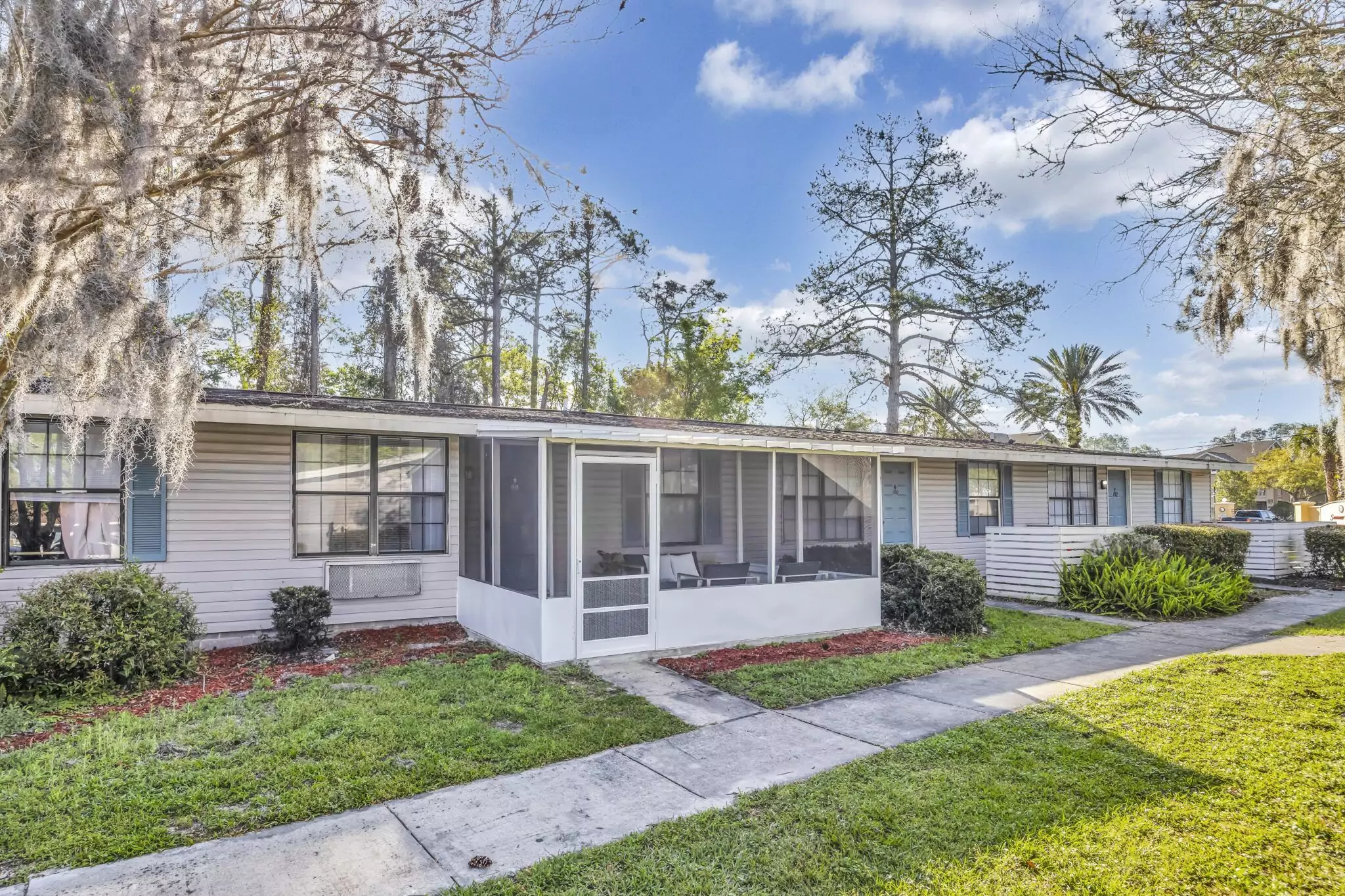

Jacksonville, Florida, a sprawling metropolis on the Atlantic coast, presents a diverse landscape for residents seeking secure living environments. The city’s growth and development have led to a multifaceted approach to safety, encompassing various factors from law enforcement presence and community initiatives to the physical and technological defenses individuals can implement. Understanding the multifaceted nature of security in Jacksonville requires an examination of its historical context, current trends, and the proactive measures available to its inhabitants.
Jacksonville is a city of contrasts, with a rich history and a dynamic present. Its expansive geography, encompassing over 875 square miles, means that security considerations can vary significantly from one neighborhood to another. The city’s approach to public safety is a complex ecosystem, influenced by demographic shifts, economic conditions, and the ongoing efforts of law enforcement and community stakeholders. To build a secure life here, one must become an informed navigator of this system.
Demographic and Geographic Influences on Security
Jacksonville’s population, exceeding 970,000 residents, is characterized by its diversity. This diversity, while a strength, also presents unique challenges and opportunities for security strategists. Different communities may face varying levels of risk, and tailored approaches are often necessary. The sheer size of the city, being one of the largest in land area in the contiguous United States, means that patrol patterns, response times, and the effectiveness of community-based initiatives can be geographically dependent. Think of it like a vast garden; what nourishes one patch might not be ideal for another.
The Role of Law Enforcement and Public Safety Agencies
The Jacksonville Sheriff’s Office (JSO) stands as the primary law enforcement agency, responsible for a broad spectrum of public safety duties. Their mission extends beyond traditional policing to include correctional services and court operations. The JSO employs a range of strategies to maintain order and deter crime, including visible patrols, intelligence-gathering operations, and community outreach programs. Their effectiveness is a cornerstone of the city’s overall security posture.
Patrol Strategies and Crime Prevention
JSO utilizes various patrol strategies, from uniformed presence in high-visibility areas to more targeted, intelligence-led operations in areas identified as experiencing elevated crime rates. These strategies are designed to not only respond to incidents but also to proactively prevent them. The deployment of resources is a continuous process, adapting to evolving crime trends and community needs.
Community Policing Initiatives
Community policing is a vital component of Jacksonville’s security efforts. By fostering stronger relationships between law enforcement and residents, these initiatives aim to build trust, encourage communication, and empower communities to take an active role in their own safety. Programs such as neighborhood watch associations and regular community meetings serve as bridges, allowing for a more collaborative approach to problem-solving.
Economic Factors and Security
Economic conditions have a demonstrable impact on crime rates and, consequently, on the perception and reality of secure living. Areas experiencing economic hardship may, in some instances, correlate with higher crime statistics. Conversely, neighborhoods with robust economies often benefit from greater investment in public services, including enhanced security measures and community resources. The economic pulse of a neighborhood often beats in rhythm with its safety.
Investment in Neighborhood Improvement
Economic development can translate directly into safer communities. Investment in infrastructure, job creation, and the revitalization of commercial and residential areas can lead to increased community pride, reduced opportunities for criminal activity, and a greater sense of collective security. These investments act as a shield, protecting against the erosion of safety.
Socioeconomic Disparities and Crime
It is an unfortunate reality that socioeconomic disparities can intersect with crime. Addressing these disparities through equitable access to education, employment, and social services is a long-term strategy for fostering holistic security across the city. This is not merely about policing; it’s about fostering an environment where all residents have the opportunity to thrive, thereby mitigating factors that can contribute to crime.
Residential Security Measures and Technologies
Beyond the public safety infrastructure, individuals in Jacksonville have a wide array of options to enhance their personal and residential security. These range from basic precautions to sophisticated technological solutions. Proactive steps at the household level are the first line of defense for many residents.
Home Security Systems and Professional Monitoring
Installing a home security system is a common and effective way to deter intruders and gain peace of mind. These systems can include intrusion alarms, motion detectors, and door/window sensors, all connected to a central control panel. Many homeowners opt for professional monitoring services, where a dedicated center receives alerts and dispatches emergency services when necessary. This provides an additional layer of vigilance, like a dedicated sentinel.
Types of Security Systems
The market offers a variety of security systems, from wired to wireless, basic to highly integrated smart home solutions. Many systems now offer remote access and control via smartphone applications, allowing residents to monitor their homes and receive alerts no matter where they are. The choice of system often depends on the size of the residence, budget, and desired level of functionality.
The Benefits of Professional Monitoring
Professional monitoring offers significant advantages. Trained operators are available 24/7 to respond to alarms, verify the nature of the emergency, and contact the appropriate authorities. This is especially crucial during times of incapacitation or during events where immediate, informed action is required.
Physical Security Enhancements for Homes
Beyond electronic systems, reinforcing the physical barriers of a home is a fundamental security strategy. This includes robust locks, reinforced doors and windows, and adequate exterior lighting. These measures make it more difficult for unauthorized individuals to gain entry, acting as a strong deterrent.
Door and Window Security
Upgrading door locks to high-security deadbolts and reinforcing strike plates can significantly enhance resistance to forced entry. Similarly, installing stronger window locks or security film can make windows less vulnerable. Older or weaker entry points are often like the weakest link in a chain; strengthening them is paramount.
Outdoor Lighting and Landscaping
Effective outdoor lighting can deter potential criminals by eliminating hiding places and making trespassers more visible. Motion-activated lights are particularly useful for this purpose. Landscaping also plays a role; keeping bushes and trees trimmed away from windows and doors can reduce opportunities for concealment.
Smart Home Technology and Remote Access
The proliferation of smart home technology has opened new avenues for residential security. Smart doorbells with integrated cameras allow residents to see and speak to visitors remotely. Smart locks enable keyless entry and the ability to grant temporary access to trusted individuals. These technologies offer an unprecedented level of control and awareness.
Video Doorbells and Surveillance
Video doorbells provide a visual record of who approaches the front door, offering a deterrent and valuable evidence if an incident occurs. Integrated surveillance cameras can monitor various areas around the property, providing a comprehensive overview of activity.
Smart Locks and Access Control
Smart locks offer convenience and enhanced security by eliminating the need for physical keys, which can be lost or stolen. They allow for remote locking and unlocking and can be programmed to grant temporary access codes for family members, friends, or service providers.
Community-Based Safety Initiatives

Jacksonville’s commitment to secure living extends beyond individual homes and public law enforcement efforts. Community-driven initiatives play a crucial role in fostering a sense of collective responsibility and mutual support, weaving a stronger fabric of safety.
Neighborhood Watch Programs
Neighborhood Watch programs are a time-tested strategy for enhancing community safety. By organizing residents to be vigilant and report suspicious activity, these programs create a network of informal surveillance. The presence of an active Neighborhood Watch can serve as a potent deterrent.
The Power of Collective Vigilance
These programs empower residents to become active participants in their own safety. They encourage communication among neighbors and with law enforcement, creating a more informed and responsive community. A watchful neighbor is a valuable asset in the defense of a community.
Reporting Suspicious Activity
A core tenet of Neighborhood Watch is the effective and responsible reporting of suspicious activity to the appropriate authorities. This collaboration ensures that law enforcement is aware of potential issues and can respond accordingly.
Community Centers and Youth Programs
Community centers and youth programs can serve as vital hubs for positive engagement and skill development. By providing safe and structured environments for young people, these initiatives can help to reduce juvenile delinquency and foster a sense of belonging and purpose. These programs act as anchors, grounding young individuals in positive activities.
Positive Engagement and Recreation
Offering a variety of recreational, educational, and artistic activities can keep young people engaged and away from potentially negative influences. These programs provide healthy outlets for energy and creativity.
Skill Development and Mentorship
Providing opportunities for skill development, leadership training, and mentorship can equip young residents with the tools they need to succeed in life, thereby contributing to a safer and more stable community in the long term.
Local Government and Public Safety Partnerships
Local government plays a critical role in supporting and facilitating community safety initiatives. This includes providing resources for programs, coordinating efforts between different agencies, and fostering partnerships between law enforcement, community organizations, and residents. These partnerships form the scaffolding upon which effective community safety is built.
Funding and Resource Allocation
Local governments are responsible for allocating funding and resources to support public safety initiatives, including community policing efforts, crime prevention programs, and the infrastructure necessary for maintaining secure environments.
Facilitating Collaboration and Communication
Effective collaboration between various stakeholders is essential for successful community safety. Local government can act as a facilitator, bringing together different groups to share information, coordinate efforts, and develop comprehensive safety strategies.
Navigating Jacksonville’s Diverse Neighborhoods

Jacksonville’s vastness means that its neighborhoods present a spectrum of living experiences, each with its own unique characteristics regarding safety and security. Understanding these nuances is crucial for making informed decisions about where to live and how to best secure one’s home and family.
Understanding Crime Statistics and Trends
Accessing and understanding local crime statistics is an important step for any resident. Many law enforcement agencies, including the JSO, provide publicly accessible data that can offer insights into crime patterns within specific areas. While statistics provide a snapshot, they should be considered alongside other qualitative factors.
Using Publicly Available Data
Websites and online portals often provide crime maps and data that can be analyzed to identify areas with higher or lower reported incidents of various types of crime. This information can be a valuable tool for research.
Interpreting Data in Context
It is important to interpret crime data within its broader context. Factors such as population density, historical trends, and reporting practices can influence statistics. A single data point rarely tells the whole story.
The Impact of Neighborhood Socioeconomics and Development
The socioeconomic profile of a neighborhood and its ongoing development status can significantly influence its security. Areas undergoing revitalization or experiencing robust economic growth may see improvements in safety, while areas facing economic decline may present different challenges.
Revitalization and its Effects
Investment in urban renewal projects, new businesses, and improved public spaces can lead to a decrease in crime and an increase in resident confidence. These transformations can breathe new life into a community, and with it, a renewed sense of security.
Areas of Economic Challenge
Conversely, areas facing economic challenges may require targeted interventions and increased community support to address underlying issues that can contribute to crime.
Personal Safety in Public Spaces
Beyond residential security, personal safety in public spaces across Jacksonville is a significant consideration. Understanding the general safety of parks, shopping districts, and transportation hubs contributes to a comprehensive approach to secure living.
Awareness and Preparedness
Being aware of your surroundings, avoiding walking alone late at night in poorly lit areas, and trusting your instincts are fundamental personal safety practices that apply to all urban environments, including Jacksonville.
Utilizing Public Safety Resources
Familiarizing yourself with emergency services contact information and being aware of any public safety initiatives in the areas you frequent can enhance your preparedness.
The Future of Secure Living in Jacksonville
The landscape of security is constantly evolving, and Jacksonville is no exception. Technological advancements, shifting demographic patterns, and ongoing community efforts are shaping the future of secure living in the city. Embracing these changes and remaining adaptable is key to maintaining safety.
Technological Advancements and Their Role
Future security strategies will undoubtedly be heavily influenced by technological advancements. From advanced surveillance systems to predictive analytics, technology is poised to play an even more significant role in crime prevention and response.
Artificial Intelligence in Security
Artificial intelligence (AI) is increasingly being used in security applications, such as facial recognition, anomaly detection in video feeds, and behavior analysis. These tools have the potential to enhance the efficiency and effectiveness of security operations.
Innovations in Smart Home and Neighborhood Security
We can expect further integration of smart home devices with neighborhood-level security networks, creating more cohesive and responsive safety ecosystems. This could include early warning systems for environmental hazards or coordinated responses to localized incidents.
Community Resilience and Adaptability
The ability of a community to adapt to changing circumstances is a hallmark of long-term security. Jacksonville’s diverse population and its commitment to community engagement suggest a strong foundation for resilience.
Fostering a Culture of Safety
Creating a pervasive culture of safety, where security is viewed as a shared responsibility, will be crucial. This involves ongoing education, open communication, and a willingness to adapt to new challenges as they arise.
The Role of Data-Driven Security Strategies
As data collection and analysis become more sophisticated, security strategies will likely become more data-driven. This will allow for more precise resource allocation and more effective interventions.
Proactive Engagement and Continuous Improvement
Secure living in Jacksonville is not a static state but an ongoing process of proactive engagement and continuous improvement. By staying informed, participating in community efforts, and embracing available technologies, residents can contribute to and benefit from the city’s evolving security landscape. The journey towards secure living is a marathon, not a sprint, requiring sustained effort and a forward-looking perspective.
FAQs
What services does Secure Living in Jacksonville, FL offer?
Secure Living in Jacksonville, FL provides a range of home security solutions including alarm systems, video surveillance, smart home integration, and 24/7 monitoring services to help protect residents and their properties.
How can I contact Secure Living in Jacksonville, FL for a consultation?
You can contact Secure Living in Jacksonville, FL by visiting their official website to fill out a contact form, calling their customer service phone number, or visiting their local office for a personalized consultation.
Is Secure Living in Jacksonville, FL suitable for both residential and commercial properties?
Yes, Secure Living offers security solutions tailored for both residential homes and commercial businesses in Jacksonville, FL, ensuring comprehensive protection for various property types.
What types of security technology does Secure Living use?
Secure Living utilizes advanced security technologies such as wireless alarm systems, HD security cameras, motion detectors, smart locks, and mobile app controls to provide effective and user-friendly security options.
Does Secure Living in Jacksonville, FL offer installation and maintenance services?
Yes, Secure Living provides professional installation of security systems as well as ongoing maintenance and support to ensure that all security equipment functions properly and remains up to date.


