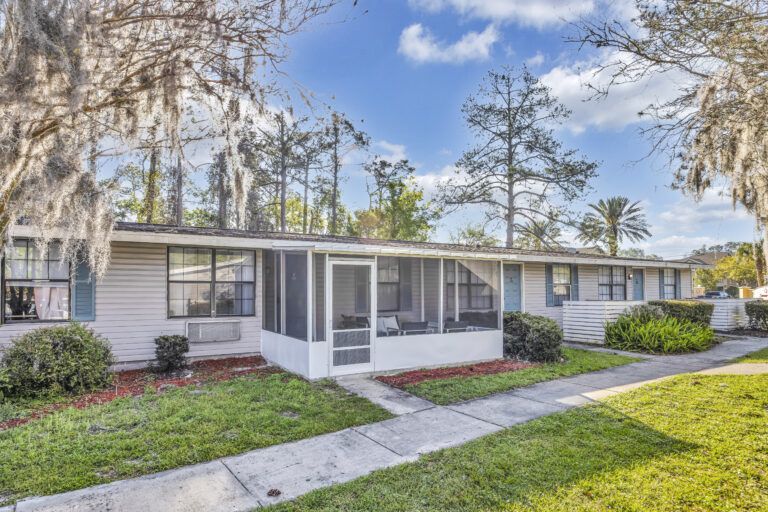

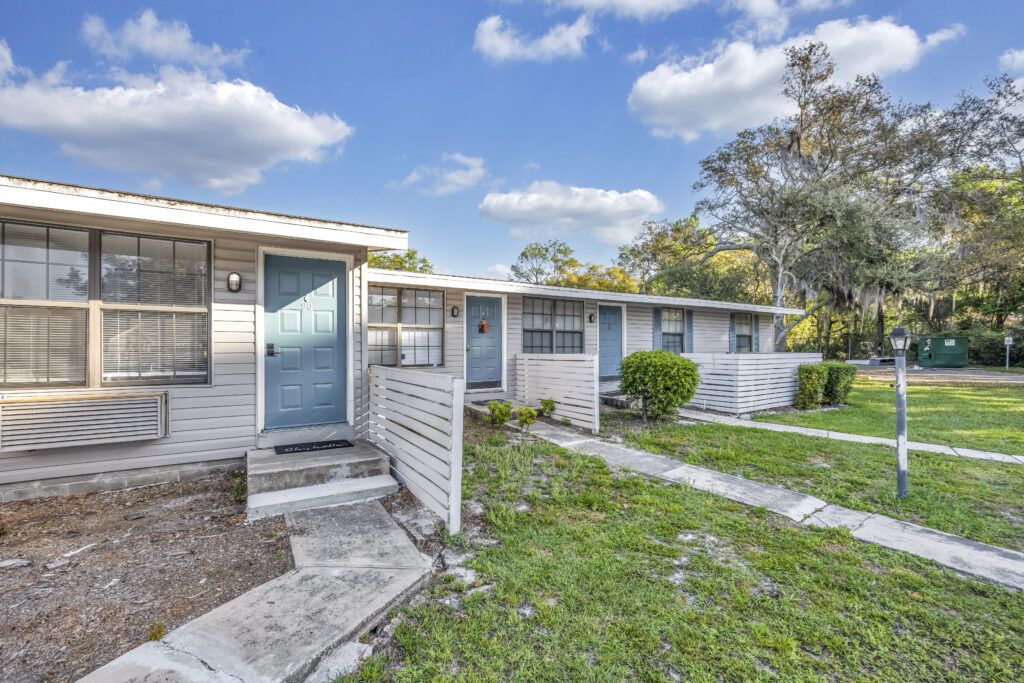
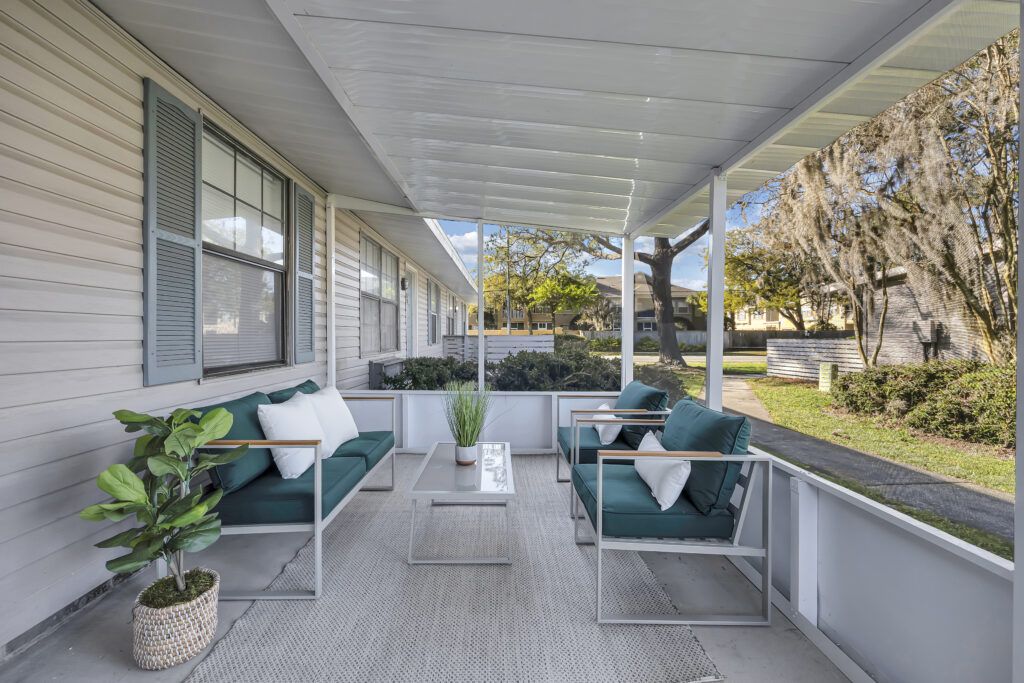
The pursuit of higher education often necessitates a strategic choice of residence, particularly when proximity to the academic institution becomes a primary determinant. For students and faculty associated with Florida State College at Jacksonville (FSCJ) South Campus, the selection of an apartment is not merely about finding shelter; it is about establishing a base of operations conducive to academic success and personal well-being. This article will delve into the landscape of apartments situated conveniently near FSCJ South Campus, dissecting the various facets that contribute to their appeal and utility. We will navigate through the geographical considerations, the amenities commonly encountered, the financial implications, and the practicalities of securing such housing, offering a comprehensive guide for those embarking on this significant decision.
The term “convenient” is not an arbitrary descriptor in this context; it signifies a direct and quantifiable benefit derived from geographical proximity. For FSCJ South Campus affiliates, living nearby translates into a series of tangible advantages, transforming the daily commute from a potential obstacle into a negligible transition.
Optimized Commute Times
A shorter commute is an immediate and undeniable benefit. Imagine the mental landscape of a student or faculty member beginning their day: every minute saved on travel is a minute reclaimed for study, prep work, or personal enrichment. The average American spends a significant portion of their day commuting, a statistic that near-campus living seeks to truncate. The journey from apartment to lecture hall or office can become a walk, a short bike ride, or a brief bus trip, effectively shrinking the boundaries between personal and academic life. This not only conserves fuel and reduces wear and tear on vehicles but also mitigates the daily stress associated with traffic congestion and parking woes. The campus itself, like a gravitational pull, exerts its influence on the surrounding residential areas, shaping a micro-economy of convenience.
Accessibility to Campus Resources
Beyond the primary academic buildings, FSCJ South Campus offers a spectrum of resources designed to support its community: libraries, student unions, recreational facilities, and administrative offices. Proximity to these resources allows for spontaneous access, fostering a more integrated campus experience. Need to return a library book quickly? No problem. Want to squeeze in a workout between classes? Easily accomplished. Living nearby dissolves the logistical barriers that might otherwise deter engagement with these supplementary services, transforming them from occasional destinations into readily available extensions of one’s daily routine.
Integration with the Campus Community
Living within the immediate vicinity of FSCJ South Campus can also facilitate a deeper integration into the campus community. Spontaneous study groups, impromptu social gatherings, and easy participation in campus events become more feasible. This sustained immersion can foster a stronger sense of belonging and connectedness, critical components for both academic and personal growth. It can transform the campus from a place of transient learning into a vibrant hub where one’s life is actively intertwined with its pulse.
Apartment Features and Amenities: Beyond Four Walls
While the primary function of an apartment is to provide shelter, the modern residential complex, especially near an academic institution, often offers a suite of amenities designed to enhance the living experience. These features can range from the pragmatic to the luxurious, each contributing to the overall appeal and functionality of the dwelling.
Interior Features: The Personal Sanctuary
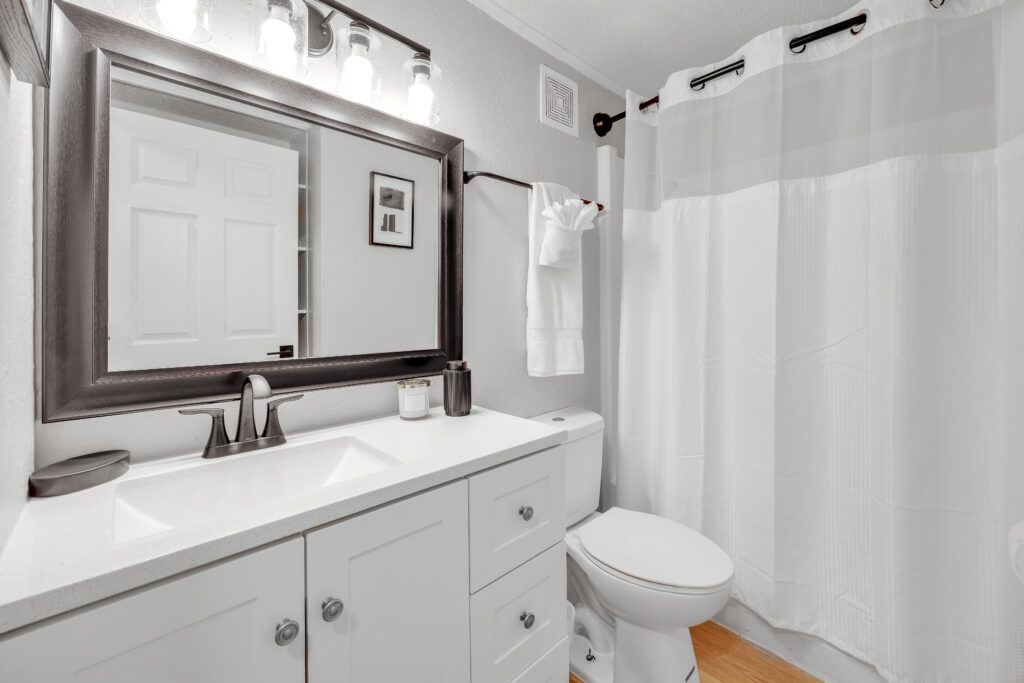
The interior of an apartment is where the individual’s daily life unfolds. Therefore, the features within must be both functional and comfortable, allowing for an environment conducive to both study and relaxation. Modern apartments often come equipped with a range of standard features.
Kitchen Appliances and Layouts
A functioning kitchen is paramount for independent living. Most apartments near FSCJ South Campus will offer a standard suite of appliances, including refrigerators, stoves/ovens, and often dishwashers and microwaves. The layout, whether an open-concept design flowing into the living area or a more compartmentalized space, can significantly impact the feeling of the home. For students, particularly those on a budget or with specific dietary needs, the ability to prepare meals at home is a substantial financial and health benefit.
Laundry Facilities
Access to laundry facilities is a non-negotiable convenience. While some units may feature in-unit washers and dryers, many complexes offer communal laundry rooms. The presence and accessibility of these facilities, whether within the apartment or within the building/complex, significantly impacts the practicalities of daily life. The former offers unparalleled convenience, while the latter, if well-maintained and readily available, still represents a considerable advantage over off-site laundromats.
Furnishing Options
For transient populations such as students, the availability of furnished apartments can be a considerable draw. These units typically include essential furniture such as beds, desks, sofas, and dining sets, alleviating the burden and expense of purchasing and transporting bulky items. While potentially higher in rent, the convenience and reduced logistical complexity can be a significant trade-off, especially for students relocating from a distance or those seeking temporary housing.
Community Amenities: The Extended Living Space
Beyond the confines of individual units, apartment complexes often provide shared amenities that extend the living experience beyond the personal dwelling. These communal spaces are designed to foster a sense of community, offer recreational outlets, and provide convenient services.
Fitness Centers and Recreational Spaces
Many complexes boast on-site fitness centers, ranging from basic gym equipment to more comprehensive facilities. This allows residents to maintain a healthy lifestyle without the added expense or commute to an external gym. Similarly, recreational spaces such as swimming pools, clubhouses, or communal lounges offer opportunities for relaxation and social interaction, transforming the complex from a mere collection of units into a holistic living environment.
Study Lounges and Business Centers
Recognizing the academic demographic, some complexes specifically cater to student needs with dedicated study lounges or business centers. These areas provide a quiet, focused environment for academic work, often equipped with Wi-Fi, printers, and comfortable seating. Such amenities can be invaluable, offering an alternative to campus libraries or personal spaces that may not always be ideal for focused study.
Parking and Security
Ample and secure parking is a crucial consideration, particularly in areas with high population density. Whether covered or open-air, the availability and safety of parking facilities significantly impact daily life. Furthermore, security features such as gated access, surveillance cameras, and on-site management contribute to a sense of safety and peace of mind, essential for any resident, but particularly for students living independently for the first time.
Financial Considerations: Balancing Budget and Lifestyle

The financial aspect is often the primary gatekeeper in the apartment selection process. Rent, utilities, and ancillary fees all contribute to the overall cost, demanding careful budgeting and a realistic assessment of one’s financial capacity.
Rent Variability
Rent prices are often a function of several variables: the size of the unit (studio, one-bedroom, multi-bedroom), the age and condition of the building, the specific amenities offered, and the precise proximity to FSCJ South Campus. Like a barometer, rent prices reflect market demand and the value proposition of the location. Areas immediately adjacent to the campus tend to command higher rents due a premium for convenience, while slightly more peripheral locations may offer more budget-friendly options.
Studio and One-Bedroom Apartments
These units are typically the most affordable, ideal for single occupants or couples seeking a compact living space. They offer privacy and independence, but often come with less square footage. The efficiency of space in these units can be a significant factor for those prioritizing a lower rent burden.
Multi-Bedroom Units and Roommate Potential
For students, particularly, multi-bedroom apartments offer the significant advantage of reducing individual rent through shared tenancy. The financial savings of splitting rent, utilities, and even groceries among roommates can be substantial. However, this option necessitates navigating the complexities of communal living, requiring compatibility and clear communication among residents. The apartment becomes a microcosm of social dynamics, demanding cooperation.
Utility Costs
Beyond rent, utilities represent a significant and ongoing expense. These typically include electricity, water, sewer, trash, internet, and sometimes natural gas. Some complexes may bundle certain utilities into the rent, while others require tenants to establish separate accounts. Understanding which utilities are included and which are extra is crucial for accurate budget planning. For instance, air conditioning, a necessity in Florida’s climate, can significantly impact electricity bills, making energy efficiency a desirable feature.
Ancillary Fees and Deposits
The initial outlay for an apartment often extends beyond the first month’s rent. Security deposits, designed to cover potential damages, are standard practice and are typically refundable upon lease termination, assuming the property is returned in good condition. Application fees, administrative fees, and pet fees (if applicable) can also add to the upfront cost. It is imperative to meticulously review all fee structures before signing a lease, as these can add up quickly, like tiny tributaries feeding a larger river of expense.
Lease Agreements and Tenant Responsibilities: The Contractual Landscape
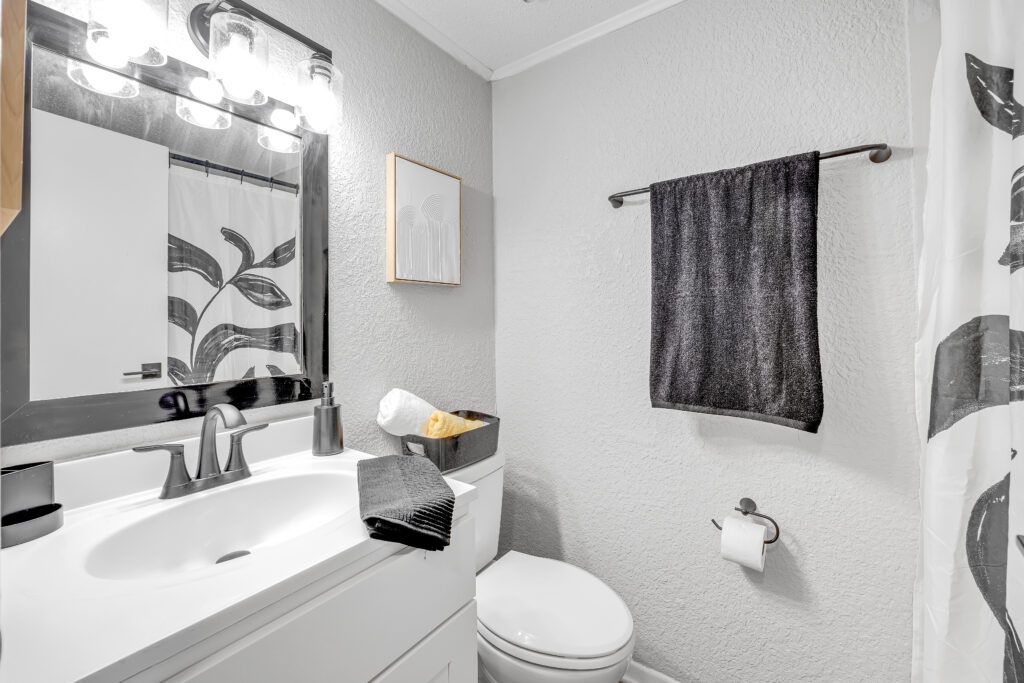
The lease agreement serves as the legal blueprint for the landlord-tenant relationship, outlining the rights and responsibilities of both parties. Understanding its intricacies is paramount to ensuring a smooth tenancy.
Lease Duration and Renewal Options
Standard lease agreements typically span 12 months, aligning with academic cycles. However, some landlords may offer shorter-term leases, which, while more flexible, often come with a higher monthly premium. It is important to clarify renewal options and the process for lease termination well in advance to avoid penalties. The lease document is more than just paper; it is a binding promise.
Maintenance and Repairs
The lease delineates the allocation of maintenance responsibilities. Typically, landlords are responsible for major structural repairs and appliance malfunctions, while tenants are expected to maintain cleanliness and report issues promptly. Understanding the reporting process for maintenance requests and anticipated response times is crucial for resolving problems efficiently and maintaining a habitable living space. A broken appliance, if unaddressed, can quickly become a source of frustration.
Rules and Regulations
Apartment complexes often have a comprehensive set of rules and regulations designed to ensure harmonious living for all residents. These can cover aspects such as noise levels, pet policies, parking directives, trash disposal, and guest policies. Adherence to these guidelines is not merely a suggestion but a contractual obligation, and violations can lead to penalties or even lease termination. These rules act as the invisible fences that define the boundaries of communal living.
The Search Process: Navigating the Market
The quest for the ideal apartment often requires a systematic approach, leveraging various resources to identify suitable options and making informed decisions.
Online Search Platforms
The internet serves as the primary gateway for apartment hunting. Websites specializing in apartment listings (e.g., Zillow, Apartments.com, Rent.com) offer extensive databases, allowing users to filter by location, price, number of bedrooms, and amenities. These platforms often include photographs, floor plans, and sometimes even virtual tours, providing a preliminary view of the properties. University housing resources or local student forums can also be valuable sources of information, sometimes even listing specific units available for rent.
Campus Housing Resources
FSCJ South Campus, while not offering on-campus housing, may provide resources or referrals for off-campus apartments. Student services departments often maintain lists of reputable landlords or complexes popular with students. Engaging with these resources can streamline the search process by focusing on options known to be suitable for the student demographic.
Visiting Properties and Asking Critical Questions
Once a shortlist of potential apartments has been established, in-person visits become indispensable. No amount of online viewing can fully replicate the experience of walking through a unit and assessing its condition, lighting, and overall ambiance. During visits, it is crucial to ask pertinent questions about:
- Lease terms: Clarify duration, renewal, and early termination policies.
- Utility costs: Obtain estimates for average monthly utility bills.
- Maintenance procedures: Understand how requests are submitted and typical response times.
- Security features: Inquire about gated access, surveillance, and emergency protocols.
- Neighborhood specifics: Assess noise levels, proximity to amenities, and overall safety.
This investigative approach, like a careful cartographer, maps out the practical realities of living in each potential apartment.
In conclusion, securing a convenient apartment near FSCJ South Campus is a multifaceted endeavor that intertwines geographical advantages, desired amenities, financial realities, and contractual obligations. By meticulously considering each of these elements, prospective tenants can make an informed decision that not only provides a place to live but also cultivates an environment conducive to academic achievement and personal fulfillment. The apartment is not merely a structure of bricks and mortar; it is a foundational pillar supporting the edifice of one’s educational journey and daily life.
FAQs
What types of apartments are available near FSCJ South Campus?
Apartments near FSCJ South Campus range from studios and one-bedroom units to larger two- and three-bedroom options. Many offer amenities such as furnished units, on-site laundry, fitness centers, and pet-friendly policies.
How close are the apartments to FSCJ South Campus?
Most apartments near FSCJ South Campus are within a 5 to 10-minute drive or a short bus ride from the campus, providing convenient access for students and staff.
What is the average rent for apartments near FSCJ South Campus?
Rent prices vary depending on the size and amenities of the apartment, but generally, monthly rents range from approximately $800 to $1,500 in the vicinity of FSCJ South Campus.
Are there public transportation options available near these apartments?
Yes, several public transportation routes serve the area around FSCJ South Campus, including bus lines that connect to other parts of Jacksonville, making commuting easier for residents without personal vehicles.
Do apartments near FSCJ South Campus offer student-friendly lease terms?
Many apartment complexes near FSCJ South Campus offer flexible lease terms, including semester-based leases or month-to-month options, to accommodate the academic calendar and student needs.